

Best Time to See the Northern Lights in Murmansk
Northern lights
Published: · Updated:
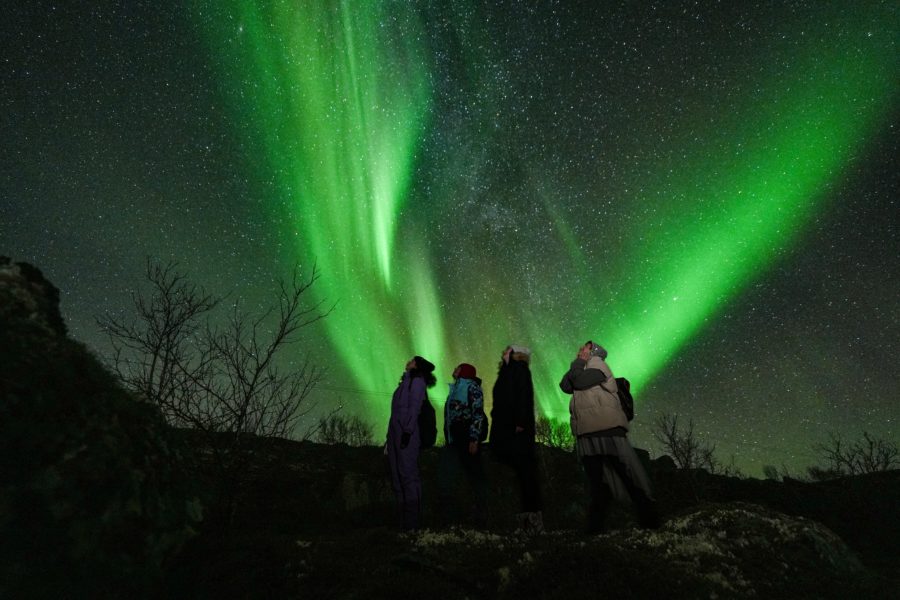
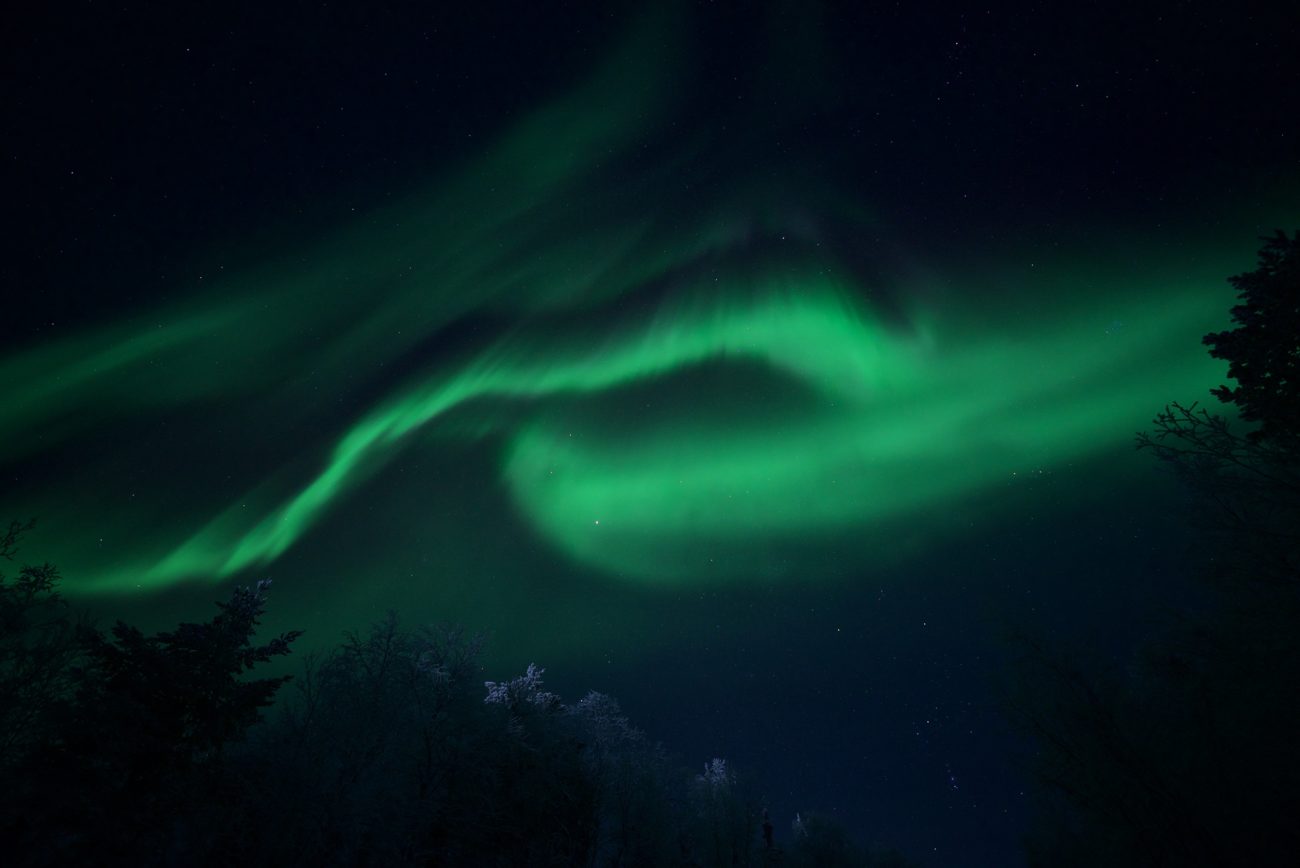
Plan a northern lights trip to Murmansk between September and early April, then leave room for the weather. That is the viewing window listed by the regional tourism board. Use it to choose your travel dates, then check conditions closer to the trip.
Swipe across to compare all columns.
| Planning factor | What it tells you | How to use it |
|---|---|---|
| September to early April | The regional tourism board’s viewing window. | Choose your travel season, then check conditions closer to departure. |
| Darkness | The sky needs to be dark enough to see the aurora. | Summer is a poor choice for a trip built around aurora viewing. |
| Geomagnetic activity | The Kp index describes activity, not local cloud cover. | Read it alongside the weather forecast and its update time. |
| Usable evenings | Your arrival and departure times limit possible outings. | Leave more than one possible evening if aurora viewing is your priority. |
Which part of the season should you choose?
Start with what you want to do during the day. An autumn visit and a winter holiday can both include an aurora outing; a trip built around snow activities needs a separate check of seasonal operating dates and snow conditions.
If the northern lights are your main reason for travelling, choose dates with dark evenings and keep your itinerary flexible. Summer is a poor choice for this purpose: the Arctic sky can remain too bright to see an aurora, even when it is active.
There is no month we can recommend as a guarantee. NOAA notes a tendency towards stronger geomagnetic storms around the spring and autumn equinoxes. That does not remove the need for darkness and suitable viewing conditions on the night you are there.
September, winter or March: choosing your dates
September and October: choose autumn dates for dark evenings and daytime coastal excursions. Check the operating season of each activity separately before adding snowmobiling or sled rides.
November to February: plan warm layers for evening stops and choose daytime activities around their current winter schedules. The number of dark hours alone does not determine the conditions for your outing.
March and April: the regional tourism board lists the aurora viewing window through early April. Confirm your exact dates before booking a trip around the end of the season.
June and July: the bright Arctic sky makes these poor months for a holiday centred on aurora viewing. Read the trip preparation guide when choosing a different season, and use the short-range aurora forecast close to an autumn or winter outing.
What a forecast can tell you
A high activity reading is not a booking promise. The Kp index describes geomagnetic activity; it does not describe cloud cover over your viewing location. Read both the sky conditions and the activity forecast, and check when each was updated.
Our Murmansk aurora forecast page brings these planning tools together. A cloud-cover percentage describes clouds, not your percentage chance of seeing the lights. Use a short-range forecast to discuss an outing close to your travel date, rather than choosing flights months ahead from a single prediction.
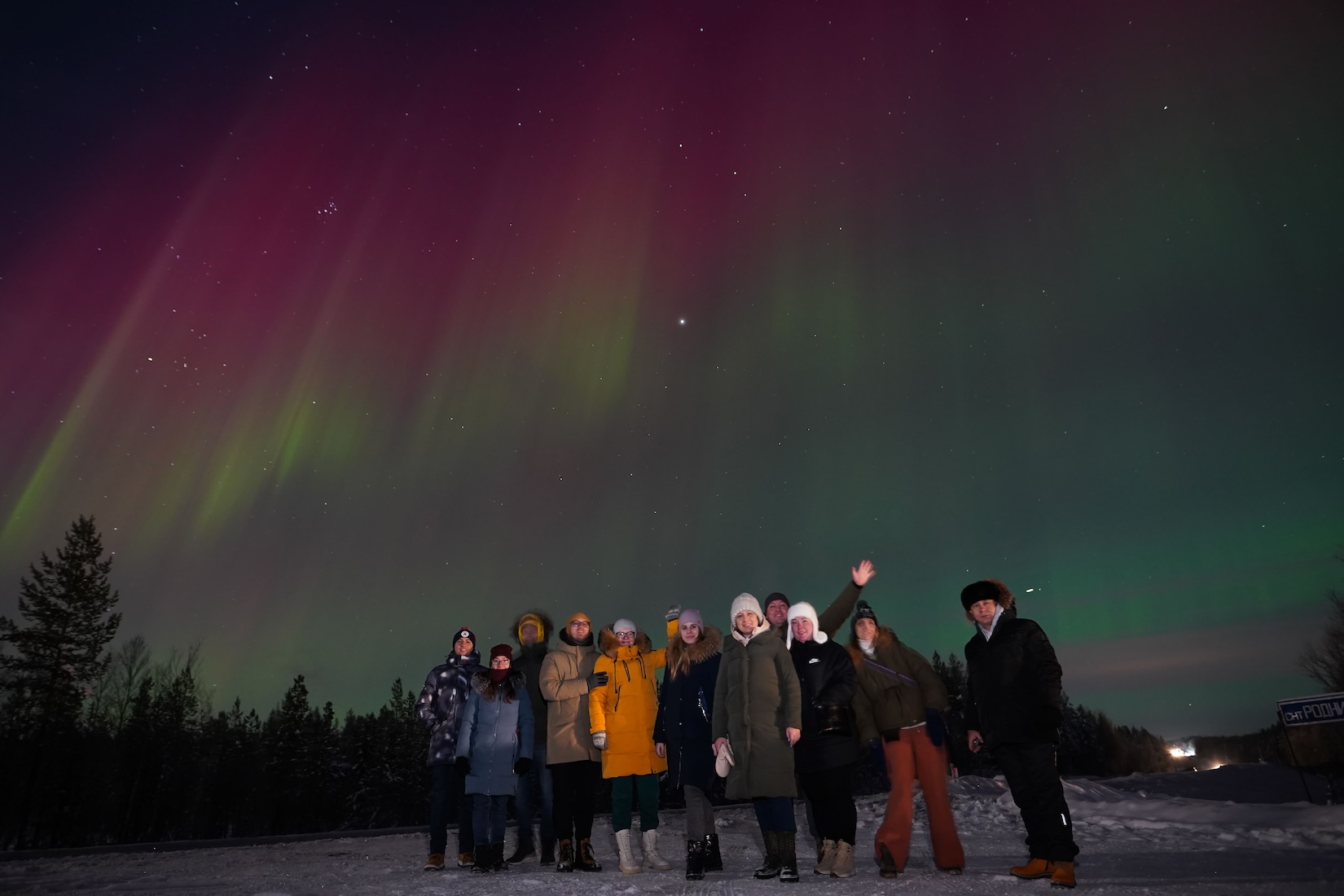
On our Northern Lights Tour from Murmansk, the route is chosen using the cloud forecast and aurora activity. The destination can change because a suitable sky matters more than reaching one fixed viewpoint.
How many evenings should you leave free?
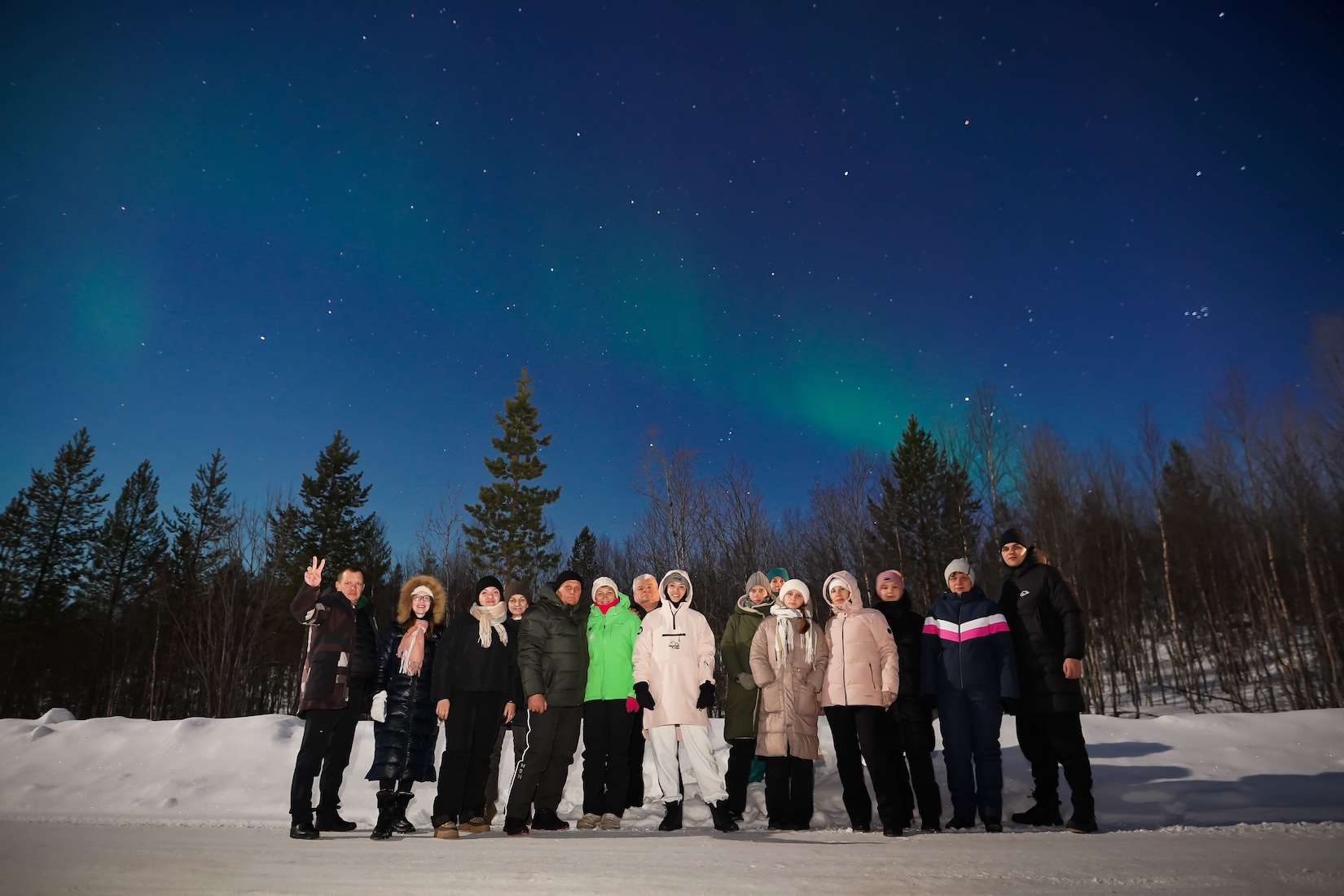
Our three-day Aurora Nights tour from Murmansk includes two evening outings to look for the northern lights. Check your arrival and departure times with us so both fit into your stay.
We recommend leaving more than one possible evening if seeing the lights is a priority. This gives you room to discuss another outing if conditions change. It does not mean every evening includes an excursion: an additional night is booked separately.
Count the evenings you can actually use. A late arrival may rule out an outing that night, while an early flight makes a late return less practical. Our three-day or four-day trip guide helps you compare usable time rather than just the number of hotel nights.
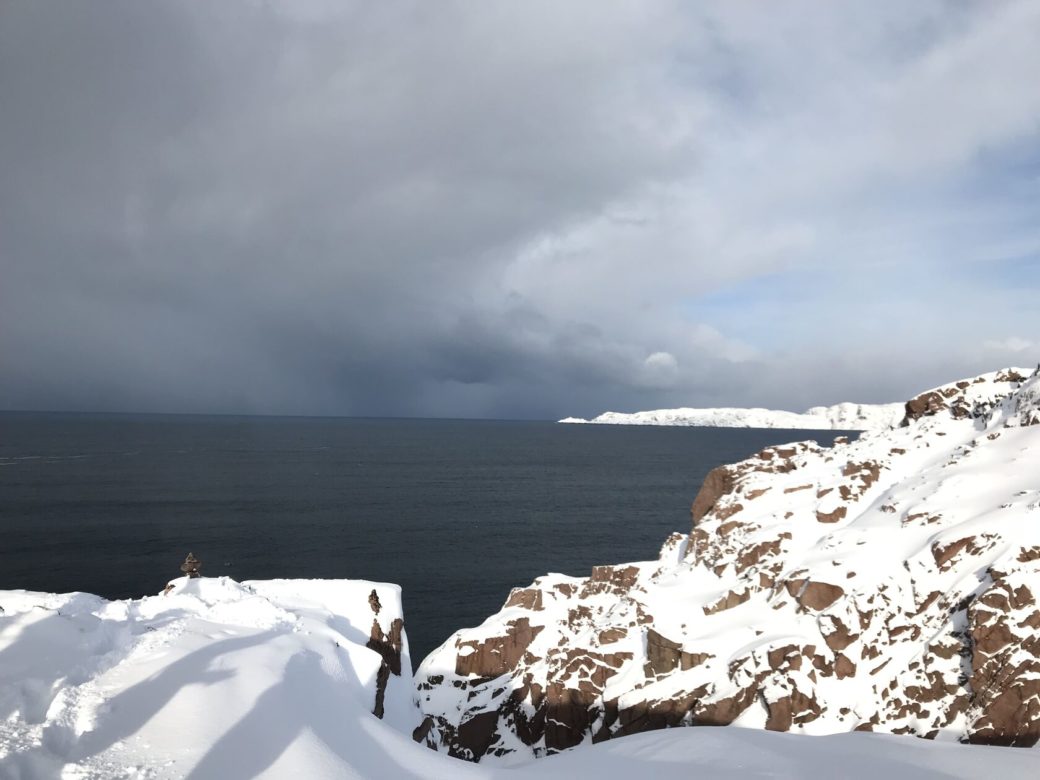
Tell the manager your arrival and departure times before settling the programme. A full day on the Teriberka coast and a night outside Murmansk both need time; ask how they fit together on your dates.
What to expect on the evening tour
The current programme allows about three to five hours, including return transport from Murmansk. English-speaking accompaniment, guide photographs and hot tea are included. You can return to the vehicle to warm up between periods outside.
Wear thermal layers, an insulating middle layer, warm boots, a hat and gloves. Standing outside to watch the sky feels different from walking around the city. Read our Arctic packing and preparation guide before you travel.
A tour gets you out with a guide who can adjust the route. It cannot guarantee a sighting. For the details to check before you book, read how to choose a northern lights tour.
Sources for planning
The seasonal window comes from the Murmansk Region tourism board. For the role of darkness, geomagnetic activity and seasonal patterns, see NOAA’s aurora viewing guidance. Tour details were checked against our linked programme on 11 October 2026; confirm the arrangements for your dates before booking.